

Optimising Tube Bending Results with the Right Tooling
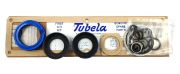
How to Choose the Right Pipe Bending Tooling for Better Bends
When it comes to bending precision, the machine is only part of the equation. The other half is all about the tooling. Whether you're running a CNC rotary draw machine or a manual bender, the quality and configuration of your pipe bending tooling directly affects how cleanly and consistently your material bends.
This blog explores what good tube bending tooling looks like, why it matters, and how investing in the right setup can improve outcomes, reduce waste, and extend the life of your machinery.
What Is Tube Bending Tooling?
In simple terms, tube bending tooling refers to all the components that support and shape the tube during the bend. For a rotary draw bender, this includes the former (which dictates the bend radius), the clamp, the pressure former, and, if needed, a mandrel and wiper former. On other machines (like compression or roll benders) the tooling setup may vary, but the principle is the same: shape the metal accurately without damaging it.
The choice of tooling depends on:
● Tube material and size
● Wall thickness
● Required radius
● Production volume
● Tolerance requirements
Choosing the right combination of tools means fewer reworks, better repeatability, and safer operations.
Why Tooling Quality Matters
Even the best bender in the world will underperform if the tooling is incorrect or poorly made. Inferior formers can cause surface damage, flattening, or wrinkling. In some cases, they can even damage the bender itself through uneven load distribution or excessive friction.
At Tubela, all tooling is designed and machined for accuracy, durability, and compatibility. Whether you’re bending stainless, aluminium, or CDS tube, our tooling ensures smooth material flow and minimal distortion, even on tight radius or thin-wall applications.
Five Core Tooling Types and Their Roles
1. Clamp Former
The clamp former holds the tube against the main radius former during the bend. A poor-quality clamp can lead to slippage, misalignment, or deformation at the start of the bend. Tubela offers clamp formers designed for consistent pressure without scoring the material.
2. Guide
This tool supports the outside of the bend, helping to maintain tube shape and prevent ovalisation. It’s especially useful when working with higher-strength materials or tighter radii.
3. Wiper Former
For tight-radius bends or soft metals, a wiper former is placed at the inside of the bend to stop material from folding or rippling. This is particularly important when bending exhaust tubing, fuel lines, or similar high-integrity components.
4. Mandrel
A mandrel is inserted into the tube to support its inner wall during the bend. It's a must for thin-wall material, helping to prevent collapse and ensuring internal roundness.
5. Custom Formers
In some cases, standard radius tools won’t do. Tubela offers custom-made formers for unusual centreline radii or specialist materials. These ensure you can still bend safely and accurately, even with non-standard requirements.
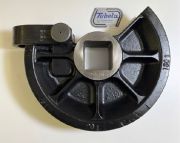
Tooling for Different Materials
Different metals react differently to pressure and bending forces. For example:
● Mild steel is forgiving and works well with standard tooling
● Stainless steel requires more support to avoid rippling
● Aluminium bends easily but needs non-marking tools to prevent surface damage
● Titanium and exotic alloys often require bespoke tooling setups
At Tubela, our tooling is developed with these properties in mind, ensuring the right pressure, grip, and surface finish for every job.
Maintenance and Longevity
High-quality tooling lasts longer and delivers consistent results, but only with proper care. Regular inspection and cleaning, especially after working with abrasive or dirty materials, is essential. Damaged tooling can lead to poor bends, increased friction, and accelerated wear on your machine.
We also recommend keeping spare tool components on hand (especially wipers and mandrels) to minimise downtime during production runs.
Tooling for Unusual Applications
While most customers use standard round tubing, Tubela also supports tooling for:
● Square and rectangular tubing
● Oval or elliptical profiles
● High-temperature or hygiene-sensitive materials (e.g., food-grade stainless)
These projects often require tailored pipe bending tooling, made from specialist alloys or with additional surface treatments. We can also supply rollers, digital angle rules, and clamping upgrades to make your setup as efficient as possible.
Tooling Support from Tubela
With over 80 years of experience, Tubela not only supplies world-class bending machinery but also provides full support for all your tube bending tooling needs. Whether you need advice on radius selection, pressure matching, or mandrel fitment, our team is on hand to help.
We offer tooling packages to suit a wide range of machines, including Baileigh, JD2, Langbow, and our own Tubela range. Custom formers and specialist kits can be developed in-house for fast delivery, ensuring your project keeps moving.
FAQs
What’s the most important component in a tooling set?
The radius former is essential. It defines the bend and supports the material. Without a properly sized former, even the best machine will struggle.
Can I use the same tooling for different materials?
Only sometimes. You can use the same base former, but clamps and wipers may need to change depending on the material’s hardness and wall thickness.
What causes wrinkling during bending?
Lack of support on the inner bend radius, often due to missing or worn wiper formers, or using a radius that’s too tight for the material.
Do I need a mandrel for all bends?
No. Mandrels are mainly used for thin-wall tubing or tight bends where structural integrity must be preserved.
Can Tubela supply tooling for machines from other manufacturers?
Yes. We provide tooling for Baileigh, JD2, Metallkraft, and many other bender brands.
How often should tooling be replaced?
With proper care, tooling lasts a long time. However, components like wipers and mandrels should be inspected regularly and replaced if they show wear.
📞 01371 859 100
